If you run an outreach program, you already know the hardest part of your work is not the paperwork. It’s trust.
You’re serving people facing homelessness, addiction, mental health challenges, or unstable housing. Many have tried to get help before. Some felt judged. Some felt ignored. Some simply could not get there.
In Canada, more than 21 million Americans live with addiction, and less than 10% receive treatment, according to the National Center on Drug Abuse Statistics. Closer to home, the Government of Canada reports thousands of opioid-related deaths in recent years. Behind every number is a person, a family, and a community trying to hold on.
That gap between needing help and actually receiving it is where a Mobile Outreach Van steps in.
You are trying to close that gap. A mobile outreach van helps you do it.
Check out the Mobile Outreach Van brochure
In this guide, you’ll learn:
-
What a Mobile Outreach Van is
-
How mobile outreach vans are used
-
Who they’re right for
-
Why they help rebuild trust in healthcare
At MoveMobility, we’ve worked with outreach programs across Canada who are focused on one thing: removing barriers so people can access care with dignity. We’ve seen mobile outreach vans distribute naloxone kits, provide mental health counselling, and connect people to housing supports. According to the Public Health Agency of Canada, take-home naloxone programs have reversed tens of thousands of overdoses nationwide. That’s real impact.
Let’s break this down.
What is a Mobile Outreach Van?
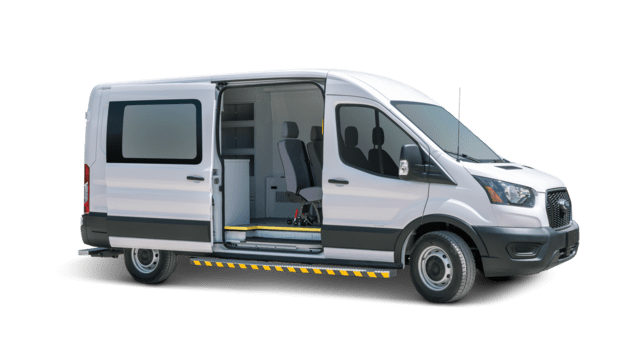
A Mobile Outreach Van is a purpose-built vehicle that brings healthcare, counselling, and community support directly to people who might never walk into a clinic.
Instead of waiting for someone to come to you, you go to them.
That simple shift changes everything.
A mobile outreach van supports:
-
Community outreach for individuals experiencing homelessness
-
Addictions and harm reduction services in neighbourhood settings
-
Mobile health services in urban or remote communities
-
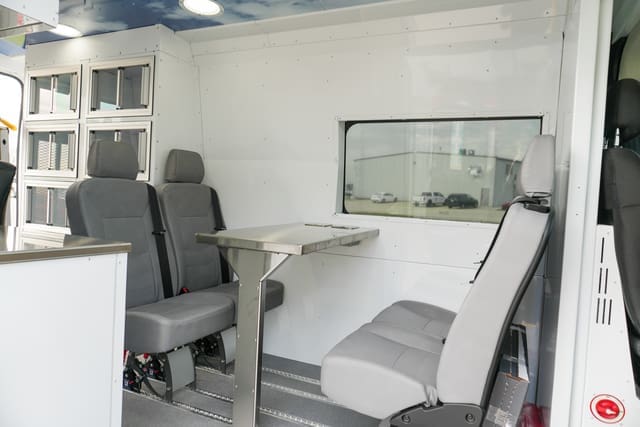
Mental health counselling delivered in a private, approachable space
Traditional clinics can feel intimidating. A mobile outreach van feels different. It’s parked near a grocery store. It shows up at a community event. It becomes familiar.
And familiarity builds trust.
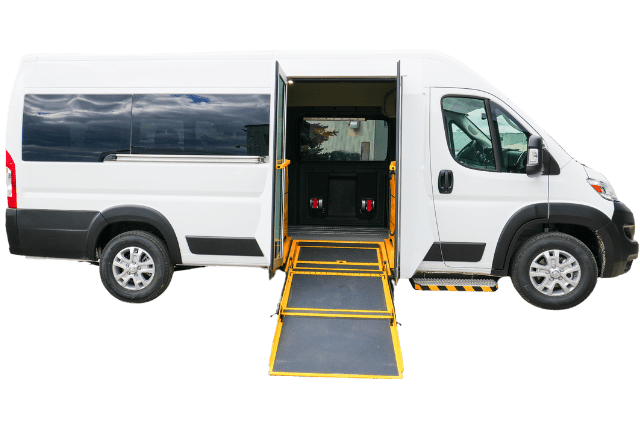
The Mobile Outreach van provides transportation and a clinic space in one, allowing you to transport patients and treat them all in one space.
How does a Mobile Outreach Van close the care gap?
Most outreach programs face three major gaps.
-
Transportation barriers: Clients can’t travel across town or from remote Indigenous communities to reach services.
-
Stigma and fear: Walking into a clinic can bring shame, anxiety, or past trauma.
-
Delayed intervention: Small health concerns grow into emergencies because no one intervened early.
A mobile outreach van addresses each one directly.
-
You reduce distance: Parking in the community removes the need for long travel.
-
You soften the first step: A welcoming, consistent presence lowers emotional barriers.
-
You support prevention: Early conversations and check-ins prevent crises later.
That’s the real impact. You move from reactive care to proactive support.
How are Mobile Outreach Vans used?
Mobile outreach vans are flexible. You can adapt them to your program’s mission and community needs.
Common uses include:
-
Harm reduction outreach: Distributing naloxone kits and safe-use supplies in areas deeply affected by the opioid crisis.
-
Mental health and addictions counselling: Offering one-on-one sessions in a private, mobile setting.
-
Housing and referral services: Connecting individuals to shelters, transitional housing, and case management.
-
Mobile health clinics: Providing basic health checks, wound care, and follow-up support.
In remote Indigenous communities, healthcare delays can mean long drives or missed appointments. The Assembly of First Nations continues to highlight health inequities across First Nations communities. A mobile outreach van shortens that distance and brings care closer to home.
Over time, your van becomes recognized. People wave. Conversations start. Trust grows.
That’s when access turns into empowerment.
What are the advantages of having a Mobile Outreach Van?
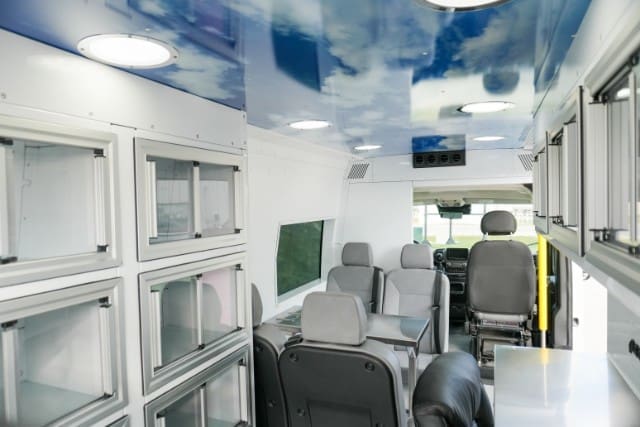
A mobile outreach van strengthens your outreach strategy in practical and meaningful ways.
-
Increased reach: You connect with individuals who never visit drop-in centres.
-
Stronger relationships: A consistent presence builds familiarity and long-term trust.
-
Improved health outcomes: Early intervention reduces emergency visits and hospital strain.
-
Flexible response: You can deploy to events, high-need areas, or emergency situations quickly.
Watch this video from the MoveMobility YouTube channel to discover how a mobile medical van improved health disparities in The Blood Tribe (Kainai First Nation) reserve. Or, read about the impacts here.
Who are Mobile Outreach Vans right for?
A Mobile Outreach Van works well if your program focuses on:
-
Housing and homelessness outreach: Supporting individuals in transitional or unstable living situations.
-
Mobile health services: Delivering care directly into communities.
-
Harm reduction initiatives: Reducing overdose risk and connecting individuals to treatment.
-
Overdose prevention programs: Providing life-saving resources and education.
-
Mental health and addictions counselling: Meeting clients in environments that feel safe and approachable.
-
Remote or Indigenous community support: Bringing timely services to communities facing healthcare delays.
They’re also used to distribute food, clothing, and water during extreme weather events or natural disasters.
If your mission is to remove barriers and restore dignity, a Mobile Outreach Van aligns naturally with that goal.
We also recommend a Mobile Outreach Van for those living in remote Indigenous communities, where healthcare services experience extreme delays. Click here to see how much a mobile medical van costs.
Your next steps to securing a Mobile Outreach Van for your program
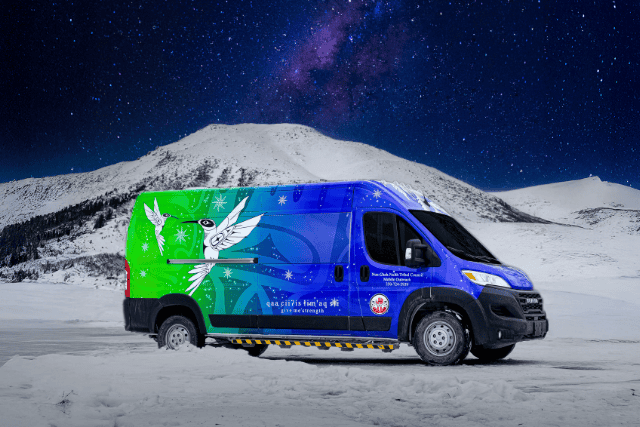
You came to this article to learn if a Mobile Outreach Van is right for your program–whether you provide mobile health, housing, or mental health and addictions counseling services.
Now, you know what a Mobile Outreach Van is, their advantages, why they’re used, and who they’re right for.
If you’re still not sure if a Mobile Outreach Van is right for your program, talk to a MoveMobility expert today.
Or, check out these related articles:

 English
  French